Call us now :08045804877
 Send Inquiry
Jaw Crusher
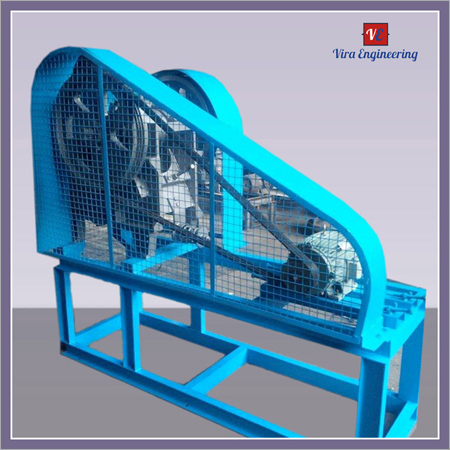

Jaw Crusher Specification
- Model
- Standard Jaw Crusher
- Rotation
- Through Electric Motor
- Product Type
- Jaw Crusher
- General Use
- Industrial Crushing, Mining, Construction Aggregates, Demolition Recycling
- Material
- Mild Steel / High Manganese Steel
- Type
- Crushing Equipment
- Capacity
- Up to 150 TPH (varies per model)
- Weight (kg)
- Approx. 1000-5000 kg depending on model
- Computerized
- No
- Automatic
- No
- CNC Or Not
- Not CNC
- Control System
- Manual
- Floor Space
- Varies as per model (Approx. 1500 mm x 1000 mm)
- Spindle Speed
- 250-450 rpm
- Power
- 5 - 20 HP (depending on model)
- Voltage
- 220-440 V, Three Phase AC
- Dimension (L*W*H)
- Varies as per model; Approx. 1500 x 1000 x 1400 mm
- Feature
- High Crushing Ratio, Durable Structure, Easy Maintenance
- Color
- Yellow / Custom as per requirement
- Safety Switch
- Yes
- Feed Size
- Up to 300 mm
- Crushing Method
- Compression
- Serviceability
- Easy Accessible Parts
- Application
- Stone, Granite, Coal, Iron Ore, Lime Stone, etc.
- Lubrication System
- Grease/Oil bath
- Operating Noise Level
- Less than 80 dB
- Discharge Size
- 10-80 mm (Adjustable)
- Jaw Plate Material
- Manganese Steel
- Working Speed
- Standard/Adjustable as per motor capacity
- Frame Construction
- Welded Steel
- Drive Type
- Belt Driven
Jaw Crusher Trade Information
- Minimum Order Quantity
- 1 Piece
- Supply Ability
- 20 Pieces Per Month
- Delivery Time
- 7-20 Days
- Main Domestic Market
- All India
Jaw Crusher About
Jaw Crusher is mainly used as a primary crusher in a crushing circuit. The product is fed into the top of the crusher by vibrating grizzly feeder. The gap between the rolls is set according to the size of product, with the realization that the largest particle can only be 4 times the gap dimension. All the particles are drawn into the gap between the rolls with the help of rotating motion and a friction angle formed between the rolls called the nip angle. Usually, Jaw Crusher is effectively used in minerals crushing. It is used for minerals & metal ores have smooth faced rolls.
Mild steel fabricated crusher body is strengthened to withstand heavy load. Main (Eccentric) shaft is running on antifriction bearings. Jaw plates and chick plates are made from highly wear resistance manganese steel. Oscillating Jaw is fabricated from mild steel, which is fitted on main shaft. Both flywheels are work as pulleys. Flat OD wheel is for flat belt drive and V-grooved wheel is for V-belt drive. Out let gap can be varied easily by add OR remove mild steel plates between toggle plate and main body. VIRA Engineerings jaw crusher is generally used as a primary crusher in a crushing circuit. Product is fed into the top of the jaw crusher by feeder or hopper. The eccentric rotating drive shaft causes the movable jaw to oscillate crushing the aggregate against a fixed jaw. Jaw crushers are run on belt drives driven by an electric motor. Jaw crushers are used extensively throughout the aggregate and mineral processing industry.
VIRA Engineerings offers bare jaw crusher units, modular and portable jaw crusher assemblies and entire crushing plants. Contact us for your jaw crushing needs.
Applications
- Primary Crushing
- Mining
- Aggregate
- Demolition
- Industrial
- Construction
- Environmental
- Bauxite, Hard Rock
- Lime stone, coal
- Iron ore, Manganese ore
Advantages
- Heavy Duty Jaw Crusher Design
- Long Life
- Cost Effective
- Standard Replacement Parts
- High Production
- Heavy Duty Forged Crank Shaft.
- Broad Range of Application
Product details
| Color | Blue |
| Power Source | Electricity |
| Surface Finish | Color Coated |
| Capacity | 50ton/hr |
| Brand | Vira Engineering |
| Automation Grade | Automatic |
| Country of Origin | Made in India |
| Voltage | 440 V |
| Phase | Single Phase |
| Material | Stainless Steel |
| Frequency | 60Hz |
| Power | 4Hp |
| Type Of Crushing Machines | Jaw Crusher |
| Usage/Application | Industrial |
Rugged Construction and High Crushing Efficiency
Built with welded steel frames and equipped with manganese steel jaw plates, the Standard Jaw Crusher ensures durability and reliable performance under heavy usage. Its compression-based crushing approach delivers a significant crushing ratio, suitable for diverse materials like stone, coal, granite, and iron ore. The adjustable discharge size, ranging from 10 to 80 mm, enables precise material output for varied industrial needs.
User-Friendly Features and Easy Maintenance
Designed with maintenance in mind, the crusher includes accessible lubrication points and easily replaceable parts. Its belt-driven mechanism and manual control system allow operators to adjust speeds and output according to motor capacity, ensuring optimal operation across different site requirements. The integrated safety switch and low operating noise enhance workplace safety and comfort.
Versatile Applications Across Industries
The Standard Jaw Crusher is ideal for use in mining operations, construction aggregate production, and demolition recycling. With a capacity of up to 150 TPH and compatibility with materials ranging from limestone to iron ore, this crusher supports both large-scale commercial projects and specialized material processing, making it a valuable asset for industrial suppliers and manufacturers in India.
FAQs of Jaw Crusher:
Q: How does the jaw crusher achieve high crushing ratios for various materials?
A: The jaw crusher utilizes a robust compression method and manganese steel jaw plates to efficiently break down hard substances like stone, granite, coal, and iron ore. The feed size of up to 300 mm and adjustable discharge size between 10 and 80 mm enable it to process large volumes with precise output, resulting in high crushing ratios.Q: What are the benefits of using a belt-driven jaw crusher in industrial applications?
A: A belt-driven system provides consistent torque and control over the crushers operating speed, which can be adjusted according to motor capacity. This enhances energy efficiency and allows operators to tailor the machines performance for different material types and processing requirements.Q: When should the lubrication system be checked during operation?
A: The jaw crusher is equipped with a grease or oil bath lubrication system. For optimum performance and longevity, it is recommended to inspect and service the lubrication points before each shift or operation cycle, especially when operating under heavy loads or extended hours.Q: Where can the Standard Jaw Crusher be installed?
A: This equipment is suitable for installation in industrial settings such as mining sites, construction aggregate facilities, and demolition recycling centers. Its compact footprint, with floor space approximately 1500 mm x 1000 mm, allows for flexible placement in various operational environments.Q: How does the safety switch protect operators during use?
A: The integrated safety switch ensures that the jaw crusher can be quickly deactivated in case of emergency or malfunction, preventing accidental startups and safeguarding operators from potential harm during maintenance or operation.Q: What process steps are involved in using the jaw crusher for material reduction?
A: Material is fed into the crusher up to 300 mm in size, where it is compressed between the manganese steel jaw plates. The adjustable discharge allows the processed material to exit in sizes ranging from 10 to 80 mm, suitable for further industrial applications or product requirements.Q: What are the major usage scenarios and benefits of this jaw crusher?
A: This jaw crusher excels in industrial crushing, mining, construction aggregates production, and demolition recycling. Its durability, high capacity (up to 150 TPH), and easy maintenance translate into cost-effective performance and reliability for suppliers and manufacturers across India.Price 5,00,000 INR/ Piece
- Minimum Order Quantity
- 1 Piece
- Supply Ability
- 20 Pieces Per Month
- Delivery Time
- 7-20 Days
- Main Domestic Market
- All India
 Get Latest Price
Tell us about your requirement

Price:
Quantity
Select Unit
- 50
- 100
- 200
- 250
- 500
- 1000+
Additional detail
Mobile number
Email

More Products in Crushing Equipment Category
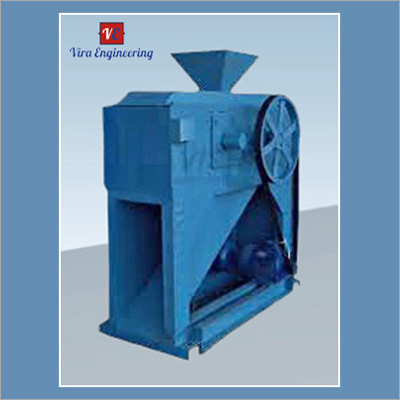
Roll Crusher
Price 5,50,000 INR / Piece
Minimum Order Quantity : 1 Piece
Dimension (L*W*H) : Approx. 2100 mm x 1400 mm x 1500 mm
General Use : Industrial crushing and material size reduction
Color : Other, Grey/Blue
CNC Or Not : Other, No
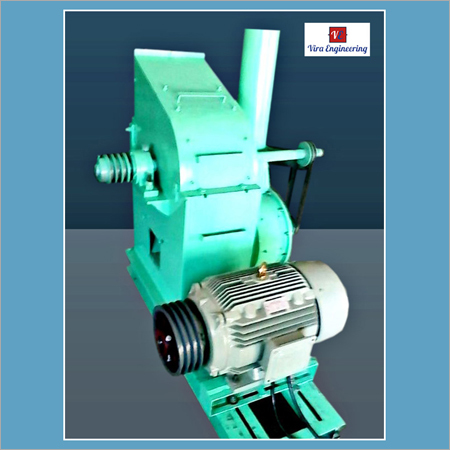
Hammer Mill
Price 3,00,000 INR / Piece
Minimum Order Quantity : 1 Piece
Dimension (L*W*H) : 1800 mm x 1200 mm x 1500 mm
General Use : Grinding, crushing and pulverizing
Color : Other, Grey
CNC Or Not : Other, Not CNC

 Send Inquiry
Our Products
- Crushing Equipment
- Grinding Equipment
- Drying Equipment
- Screening Equipment
- Mixing Equipments
- Conveying Equipment
- Pelletizing Equipment
- Rotary Kiln
- Separation Equipment
- Pollution Controlling Equipment
- Storage Equipment
- Erection Services
- Rotary And Vertical Kiln
- Industrial Seperator Machines
- Semi Automatic Bucket Elevator
- Brick Making Machine
- Industrial Crusher Machines
- Rotary Airlock Valve
- Vibratory Feeders
- Ball Mill
- Industrial Vibrating Screen Sifter Machines
- Industrial Conveyors
- Industrial Mixers
- Dryer Machine
- Industrial Rotary And Drum Dryers


Shed No 67, Harikrishna Industrial Park, Near Swagat Industrial Park, Bakrol Bujrang, Ahmedabad, Gujarat, 382430Ahmedabad - 382445, Gujarat, India

Mr Dik Patel
(Proprietor)
Mobile :08045804877
 Send Inquiry
 Send SMS
Developed and Managed by Infocom Network Private Limited.
