Call us now :08045804877
 Send Inquiry
Vertical Shaft Kiln
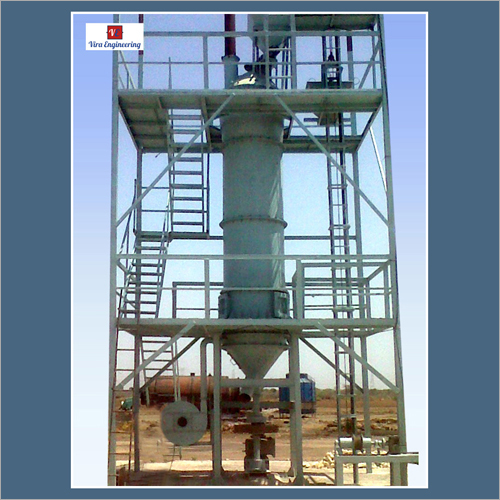

Vertical Shaft Kiln Specification
- Feature
- High thermal efficiency, low maintenance, continuous operation
- Rating
- Industrial grade
- Condition
- New
- Type
- Vertical Shaft Kiln
- Usage
- Calcination of limestone, dolomite, and related minerals
- Power
- 40-120 kW depending on capacity
- Voltage
- 380V/415V, 3 Phase, 50/60 Hz
- Size
- Customizable, standard sizes available from 100 TPD to 500 TPD
- Dimensions
- Depends on capacity, e.g. Height: 6m - 12m
- Weight
- Variation from 20T to 85T depending on model
- Application
- Cement, lime production, metallurgy, chemical industry
- Fuel Type
- Coal, petroleum coke, natural gas, firewood
- Capacity
- 100 TPD to 500 TPD
- Color
- Grey / Customized
- Chimney Height
- 6m - 15m
- Cooling System
- Integrated water cooling arrangement
- Control System
- PLC based panel for process regulation
- Installation
- On-site technical support available
- Feed Size
- 10-100 mm
- Discharge Method
- Bottom discharge system
- Lifespan
- 15 to 20 years (with proper maintenance)
- Operation Mode
- Automatic / Semi-automatic
- Maximum Temperature
- Up to 1500C
- Refractory Lining
- Special grade refractory bricks
- Emissions Standard
- Meets international pollution control standards
- Material of Construction
- Mild Steel / Stainless Steel as per requirement
- Maintenance
- Low maintenance design
Vertical Shaft Kiln Trade Information
- Minimum Order Quantity
- 1 Piece
- Supply Ability
- 20 Pieces Per Month
- Delivery Time
- 7-20 Days
Vertical Shaft Kiln About
The Vertical Shaft Kiln has the advantage of low investment profile therefore, suitable for small and medium scale processing of different materials like limestone and refractory. There fuels such as coke, coal, gas, oil, and other alternative fuels are combusted using various types of burner or charging systems. Moreover, its design is designed in such a way that it prevent radiation loss. For various application requirements, Vertical Shaft Kiln is available in different options.
Vertical Shaft Kilns Have Among Others The Advantage Of Low Investment Profile And Hence Very Suitable For Small And Medium Scale Processing Of Various Solid Minerals Such As Limestone And Refractory. The Low Investment Profile Therefore Makes It Attractive In Developing Countries Where Sources Of Investment Capital Are Lean. Vertical Kilns However Are Plagued With A Number Of Operational Problems Such As Channeling, Stratification, Hanging Accident, Poor Heat Distribution Among Others. This Work Investigated The Effects Of Burner Types, Firing Rate And Degree Of Draft On The Vertical Kiln Temperature Profile And Hence The Efficiency Of The Kiln. Numerous Fuels Such As Coke, Coal, Gas, Oil, As Well As Other Alternative Fuels Are Combusted Using Different Types Of Burner Or Charging Systems.
Material Traveling Slowly In The Kiln. All The Material Get Fused Here. After Passing Through The Burning Zoon The Material Start Cooling Slowly. The Clinkerisation Start And Clinker Finally Comes Out Of The Kiln.
Advantages
- Different Plant Sizes Available
- Use Of Alternative Fuels Like Low Volatile Coal, Petroleum Coke, Lignite Etc.
- Use Of Alternate Raw Materials Like Bauxite, Laterite, Iron Ore, Lime, Sea Shells Etc.
- Better Kiln Design To Prevent Radiation Loss.
- Fuel Efficient Technology.
- Low Capital Investment.
- Easy Management.
- Smaller Site Area.
- Clean Production
Product List
- Crushing Equipment
- Grinding Equipment
- Drying Equipment
- Screening Equipment
- Mixing Equipment
- Conveying Equipment
- Pelletizing Equipment
- Kiln
- Separation Equipment
- Feeding Equipment
- Pollution Controlling Equipment
- Storage Equipment
- Brick Making Machine
- Erection-Commissioning And R&D Services
Product details
| Caloric Consumption | 1120 kcal/kg. Cao |
| Electric Consumption | 12 kwh/tons cao |
| Fuel | Gas |
| Limestone Size | 120 mm |
| l. O. I. | 52% |
| Production | 250 tons cao/d |
| Reactivity t60 | Less Than 2 |
| Country of Origin | Made in India |
| Brand | Vira Engineering |
| Process | Dry,Wet |
| Firing Method | Indirect firing,Direct firing |
| Usage/Application | Industrial |
Customizable Design and Robust Construction
Constructed to withstand intense industrial use, the Vertical Shaft Kiln comes in mild or stainless steel as per your specification. The kilns design can be tailored for different capacities, offering standard and custom sizes ranging from 100 to 500 TPD. This robust system is equipped with special grade refractory lining for high thermal efficiency and longevity.
Advanced Operation and Process Control
The kiln offers both automatic and semi-automatic operational modes, featuring a PLC-based control panel for precise process regulation. Continuous operation and automated feed and discharge mechanisms ensure efficient handling of material sizes from 10 to 100 mm, making the process seamless and adaptable to various production requirements.
Eco-friendly and Efficient
Meeting stringent international emission standards, this kiln supports various fuel types, including coal and natural gas, while maintaining high energy efficiency. The integrated water cooling system, low maintenance requirements, and specialized refractory lining minimize operational costs and maximize kiln lifespan.
FAQs of Vertical Shaft Kiln:
Q: How does the Vertical Shaft Kiln benefit industrial calcination processes?
A: The Vertical Shaft Kiln ensures efficient and continuous calcination of limestone, dolomite, and related minerals by providing uniform heat distribution, high thermal efficiency, and stable process control. Its automatic operation and specialized refractory lining contribute to consistent product quality and reduced operational downtime.Q: What materials can the kiln construction be customized with?
A: The kiln can be constructed from either mild steel or stainless steel, depending on your operational requirements and the corrosiveness of processed materials. This customization enhances durability and ensures compatibility with different industrial environments.Q: When should the kilns refractory lining be inspected or maintained?
A: Routine inspection of the special grade refractory bricks is recommended every 6 to 12 months or after any major operational interruption. Proper maintenance extends the refractory linings lifespan and secures optimal thermal efficiency, helping the kiln achieve its anticipated 15 to 20 years of service.Q: Where is this kiln typically installed and what support is available during setup?
A: These kilns are usually installed at plant sites for cement, lime, metallurgy, and chemical industries. Comprehensive on-site technical support is offered during installation to ensure proper setup and commissioning, helping clients achieve seamless integration into their existing production lines.Q: What are the key benefits of using the PLC-based panel in operation?
A: The PLC-based panel provides advanced process regulation, real-time monitoring, and automated control of kiln operations. This optimizes fuel usage, improves safety, maintains consistent product quality, and reduces the need for manual intervention, enhancing overall operational efficiency.Q: How is material discharged from the kiln, and what is the feed range it can handle?
A: Material is discharged efficiently through a bottom discharge system, streamlining removal of calcined products. The kiln accommodates a material feed size ranging from 10 mm up to 100 mm, making it versatile for a variety of calcination applications.Q: What emission standards does the kiln meet, and why is this important?
A: This kiln complies with international pollution control standards, which ensures environmentally responsible operation and adherence to regulatory requirements. Meeting these standards protects workers, the environment, and the community while facilitating smoother regulatory approvals.Price 2,50,000 INR/ Piece
- Minimum Order Quantity
- 1 Piece
- Supply Ability
- 20 Pieces Per Month
- Delivery Time
- 7-20 Days
 Get Latest Price
Tell us about your requirement

Price:
Quantity
Select Unit
- 50
- 100
- 200
- 250
- 500
- 1000+
Additional detail
Mobile number
Email

More Products in Rotary Kiln Category
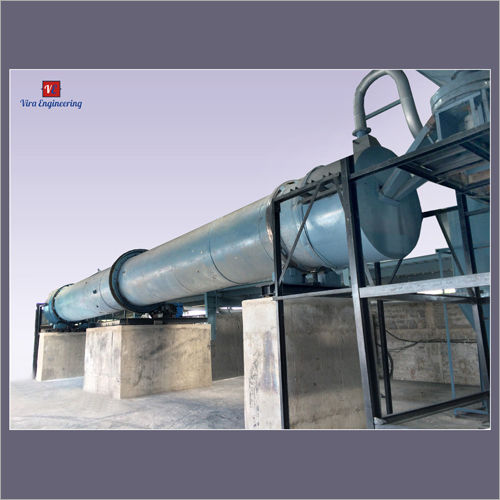
Rotary Kiln
Price 3,00,000 INR / Piece
Minimum Order Quantity : 1 Piece
Rating : Industrial Grade
Application : Cement, Lime, Metallurgy, Chemical, and Refractory materials
Power : 30 kW 150 kW
Condition : New

 Send Inquiry
Our Products
- Crushing Equipment
- Grinding Equipment
- Drying Equipment
- Screening Equipment
- Mixing Equipments
- Conveying Equipment
- Pelletizing Equipment
- Rotary Kiln
- Separation Equipment
- Pollution Controlling Equipment
- Storage Equipment
- Erection Services
- Rotary And Vertical Kiln
- Industrial Seperator Machines
- Semi Automatic Bucket Elevator
- Brick Making Machine
- Industrial Crusher Machines
- Rotary Airlock Valve
- Vibratory Feeders
- Ball Mill
- Industrial Vibrating Screen Sifter Machines
- Industrial Conveyors
- Industrial Mixers
- Dryer Machine
- Industrial Rotary And Drum Dryers


Shed No 67, Harikrishna Industrial Park, Near Swagat Industrial Park, Bakrol Bujrang, Ahmedabad, Gujarat, 382430Ahmedabad - 382445, Gujarat, India

Mr Dik Patel
(Proprietor)
Mobile :08045804877
 Send Inquiry
 Send SMS
Developed and Managed by Infocom Network Private Limited.
